


What Should You Do When Your Hyundai Brake Light Comes On During Driving
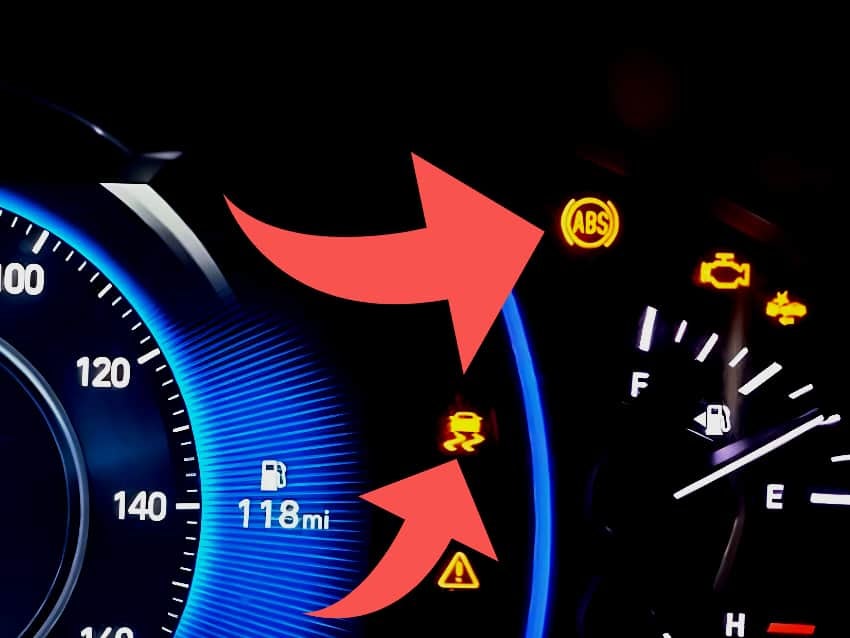
We've all been there - cruising down the highway, music blasting, and then suddenly, a pesky warning light pops up on your dashboard. In this blog post, we're going to tackle a situation that might make any driver's heart skip a beat: What should you do when your Hyundai brake light comes on during driving?
First off, don't panic! Your car is trying to tell you something important, and we're here to help you decipher the message. So, let's dive right into it.
Checking Your Surroundings
Before you do anything else, ensure your safety. If you're on the highway or a busy road, put on your hazard lights and start to slow down. Gradually move to the right shoulder or a safe parking spot. Once you've parked safely, take a deep breath, and let's proceed.
Understanding the Brake Light
Hyundai cars come equipped with advanced brake systems that monitor various aspects of your braking. The brake light on your dashboard could be indicating a range of issues. Here's what it might mean:
- Low Brake Fluid: One common reason for the brake light to come on is low brake fluid. This could be due to a leak or simply because the brake pads are worn out.
- Brake Pads Worn Out: When your brake pads are excessively worn, it can trigger the brake light. This is a critical issue that needs immediate attention.
- Brake System Malfunction: Sometimes, the brake system itself may malfunction, causing the light to illuminate. This can be caused by sensor issues or electrical problems.
What to Do Next
Now that you have a better idea of what might be causing the brake light to come on, let's talk about the next steps.
- Pull Over Safely: If you haven't already done so, make sure you're parked safely off the road.
- Check Brake Fluid: Pop the hood and locate the brake fluid reservoir. It's usually a small, translucent container near the engine. Check the fluid level. If it's low, you might have a leak. In that case, it's best not to continue driving.
- Inspect Brake Pads: If you're comfortable doing so, you can visually inspect your brake pads. They should have a thickness of at least 1/4 inch. If they're worn down significantly, it's time for a replacement.
- Don't Ignore It: Even if you find that everything seems okay, it's essential not to ignore the brake light. It's a warning that something isn't right, and it's best to have it checked out by a professional mechanic.
- Call for Help: If you're unsure about the cause of the brake light or if you're not equipped to handle the issue yourself, it's a good idea to call for roadside assistance or a tow truck. Safety first, always!
Conclusion
In summary, encountering the brake light on your Hyundai during a drive can be unnerving, but it doesn't have to be a disaster. Stay calm, pull over safely, and take a look at your brake fluid and pads. If you're not comfortable with DIY car repairs, don't hesitate to seek professional help.
Remember, keeping your car in good shape ensures that you continue to have those enjoyable drives without any unexpected surprises.
So, the next time your Hyundai's brake light tries to steal your joyride, you'll know just what to do. Drive safe, and may your journeys always be filled with happiness and smooth braking! If you have any more questions or need further advice, feel free to reach out. We're here to help you keep that smile on your face while on the road.
| Monday | 9:00AM - 7:00PM |
| Tuesday | 9:00AM - 7:00PM |
| Wednesday | 9:00AM - 7:00PM |
| Thursday | 9:00AM - 7:00PM |
| Friday | 9:00AM - 7:00PM |
| Saturday | 9:00AM - 7:00PM |
| Sunday | 10:00AM - 6:00PM |
| Monday | 7:30AM - 5:30PM |
| Tuesday | 7:30AM - 5:30PM |
| Wednesday | 7:30AM - 5:30PM |
| Thursday | 7:30AM - 5:30PM |
| Friday | 7:30AM - 5:30PM |
| Saturday | Closed |
| Sunday | Closed |
| Monday | 7:30AM - 5:30PM |
| Tuesday | 7:30AM - 5:30PM |
| Wednesday | 7:30AM - 5:30PM |
| Thursday | 7:30AM - 5:30PM |
| Friday | 7:30AM - 5:30PM |
| Saturday | Closed |
| Sunday | Closed |
Make an Inquiry
Visalia Hyundai
Address
220 South Ben Maddox Way
Visalia, CA 93292
Phone
- Sales 559-733-3325
- Service 559-733-3325
- Parts 559-733-3325
| Monday | 9:00AM - 7:00PM |
| Tuesday | 9:00AM - 7:00PM |
| Wednesday | 9:00AM - 7:00PM |
| Thursday | 9:00AM - 7:00PM |
| Friday | 9:00AM - 7:00PM |
| Saturday | 9:00AM - 7:00PM |
| Sunday | 10:00AM - 6:00PM |
| Monday | 7:30AM - 5:30PM |
| Tuesday | 7:30AM - 5:30PM |
| Wednesday | 7:30AM - 5:30PM |
| Thursday | 7:30AM - 5:30PM |
| Friday | 7:30AM - 5:30PM |
| Saturday | Closed |
| Sunday | Closed |
| Monday | 7:30AM - 5:30PM |
| Tuesday | 7:30AM - 5:30PM |
| Wednesday | 7:30AM - 5:30PM |
| Thursday | 7:30AM - 5:30PM |
| Friday | 7:30AM - 5:30PM |
| Saturday | Closed |
| Sunday | Closed |

Vehicle is subject to prior sale and the Dealer has made every effort to assure the accuracy of the vehicle. Prices do not include government fees and taxes, any finance charge, any dealer document processing charge, any electronic filing charge and any emission charge.