


How to Fix Hyundai Air-Conditioning Problems
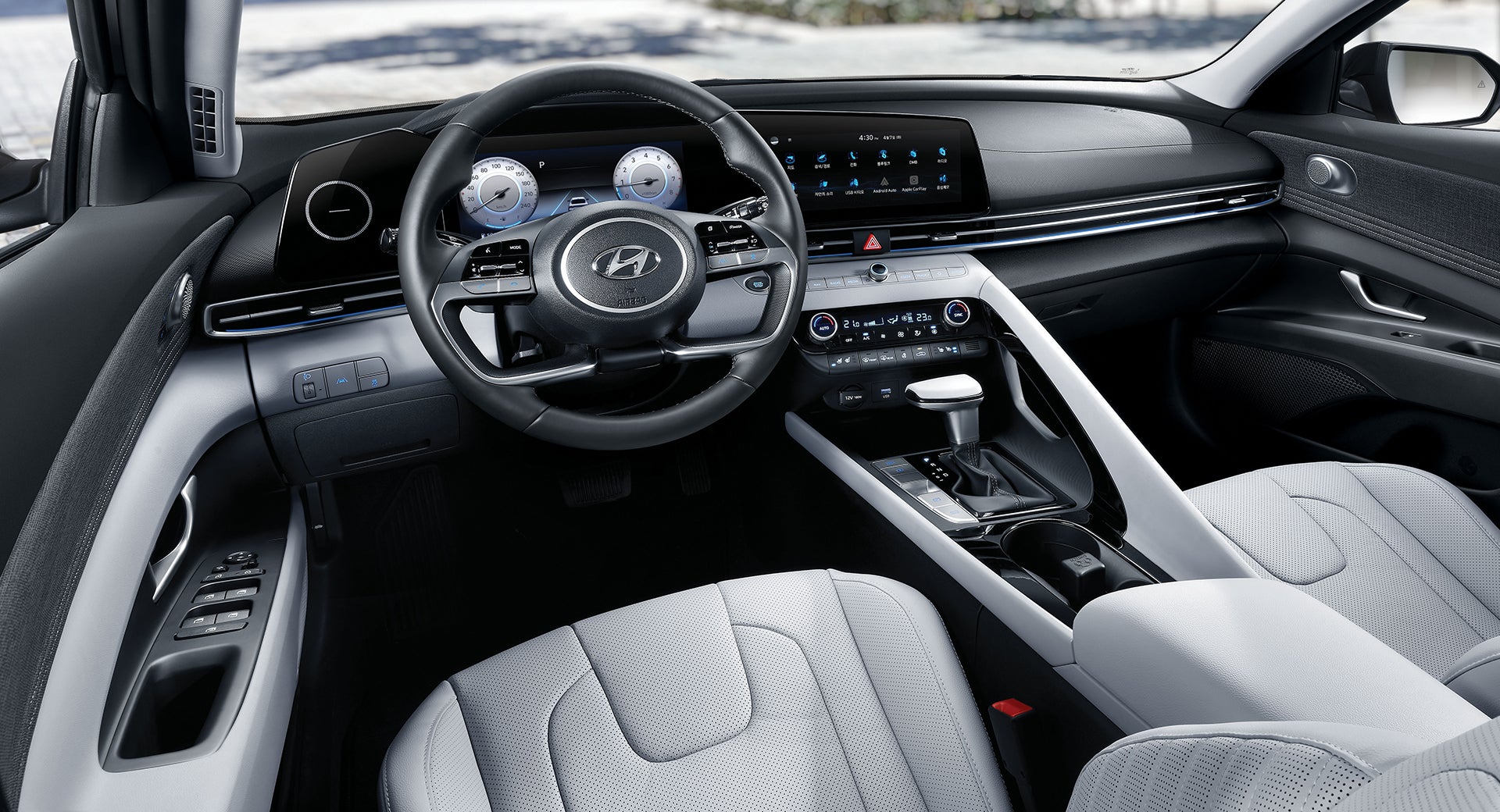
Ah, the joys of owning a Hyundai – sleek design, reliable performance, and an air conditioning system that decides to take a vacation on the hottest day of the year. If you're reading this, you're probably in the same boat, sweating bullets and wondering why your AC unit has turned on you.
But fear not! With a little bit of troubleshooting, and some basic tools, you can fix most Hyundai air conditioning problems without breaking a sweat.
Problem #1: No Cold Air
Symptoms: You turn on the AC, but all you get is hot air blowing out of the vents.
Possible Causes: Low refrigerant levels, a clogged or dirty air filter, a faulty compressor or condenser, or a malfunctioning thermostat.
Solutions:
First things first – check your refrigerant levels. You can do this by attaching a pressure gauge to the low-pressure service port, which is usually located near the firewall on the passenger side of the car. If the pressure is low, you may need to recharge the system with refrigerant.
Next, check your air filter. If it's dirty or clogged, it can restrict the airflow and prevent the AC from working properly. Replace the filter if necessary.
If neither of these solutions works, it's time to call in the professionals. A faulty compressor, condenser, or thermostat may require more extensive repairs.
Strange Sounds
If you hear a grinding or whining noise coming from the engine, it could be a sign of a failing alternator. This could be due to a loose or worn-out belt or bearing in the alternator.
3. ABS System Issues:
As the traction control system works in conjunction with the anti-lock braking system (ABS), any ABS-related issues can also activate the slip indicator light.
Testing the Alternator
To test the alternator, you can use a multimeter to check the voltage output. First, start the car and let it run for a few minutes to ensure the alternator is working. Then, turn on the headlights and radio to create a load on the electrical system. Use the multimeter to test the voltage output at the battery terminals. If the voltage is below 13.5 volts, it could be a sign of a failing alternator.
Replacing the Alternator
If you've determined that your Hyundai alternator needs to be replaced, it's important to take it to a trusted mechanic or do it yourself if you have the necessary skills and tools. Here are the basic steps to replace the alternator:
- Disconnect the battery.
- Remove the drive belt from the alternator.
- Disconnect the electrical connections from the alternator.
- Remove the alternator mounting bolts and remove the alternator.
- Install the new alternator and reattach the mounting bolts and electrical connections.
- Reinstall the drive belt.
- Reconnect the battery.
Tips for Success
Always wear gloves and safety glasses when working with electrical components.Make sure to purchase the correct alternator for your Hyundai's make and model.If you're not comfortable with the replacement process, seek help from a trusted mechanic.
Conclusion
A failing alternator can cause a variety of problems for your Hyundai car's performance and reliability. By understanding the signs of a failing alternator, testing it, and knowing how to replace it, you can diagnose and fix the problem and keep your car running smoothly on the road. Don't ignore the signs of a failing alternator, as it can lead to more expensive repairs down the line.
| Monday | 9:00AM - 7:00PM |
| Tuesday | 9:00AM - 7:00PM |
| Wednesday | 9:00AM - 7:00PM |
| Thursday | 9:00AM - 7:00PM |
| Friday | 9:00AM - 7:00PM |
| Saturday | 9:00AM - 7:00PM |
| Sunday | 10:00AM - 6:00PM |
| Monday | 7:30AM - 5:30PM |
| Tuesday | 7:30AM - 5:30PM |
| Wednesday | 7:30AM - 5:30PM |
| Thursday | 7:30AM - 5:30PM |
| Friday | 7:30AM - 5:30PM |
| Saturday | Closed |
| Sunday | Closed |
| Monday | 7:30AM - 5:30PM |
| Tuesday | 7:30AM - 5:30PM |
| Wednesday | 7:30AM - 5:30PM |
| Thursday | 7:30AM - 5:30PM |
| Friday | 7:30AM - 5:30PM |
| Saturday | Closed |
| Sunday | Closed |
Make an Inquiry
Visalia Hyundai
Address
220 South Ben Maddox Way
Visalia, CA 93292
Phone
- Sales 559-733-3325
- Service 559-733-3325
- Parts 559-733-3325
| Monday | 9:00AM - 7:00PM |
| Tuesday | 9:00AM - 7:00PM |
| Wednesday | 9:00AM - 7:00PM |
| Thursday | 9:00AM - 7:00PM |
| Friday | 9:00AM - 7:00PM |
| Saturday | 9:00AM - 7:00PM |
| Sunday | 10:00AM - 6:00PM |
| Monday | 7:30AM - 5:30PM |
| Tuesday | 7:30AM - 5:30PM |
| Wednesday | 7:30AM - 5:30PM |
| Thursday | 7:30AM - 5:30PM |
| Friday | 7:30AM - 5:30PM |
| Saturday | Closed |
| Sunday | Closed |
| Monday | 7:30AM - 5:30PM |
| Tuesday | 7:30AM - 5:30PM |
| Wednesday | 7:30AM - 5:30PM |
| Thursday | 7:30AM - 5:30PM |
| Friday | 7:30AM - 5:30PM |
| Saturday | Closed |
| Sunday | Closed |

Vehicle is subject to prior sale and the Dealer has made every effort to assure the accuracy of the vehicle. Prices do not include government fees and taxes, any finance charge, any dealer document processing charge, any electronic filing charge and any emission charge.